IN SHORT
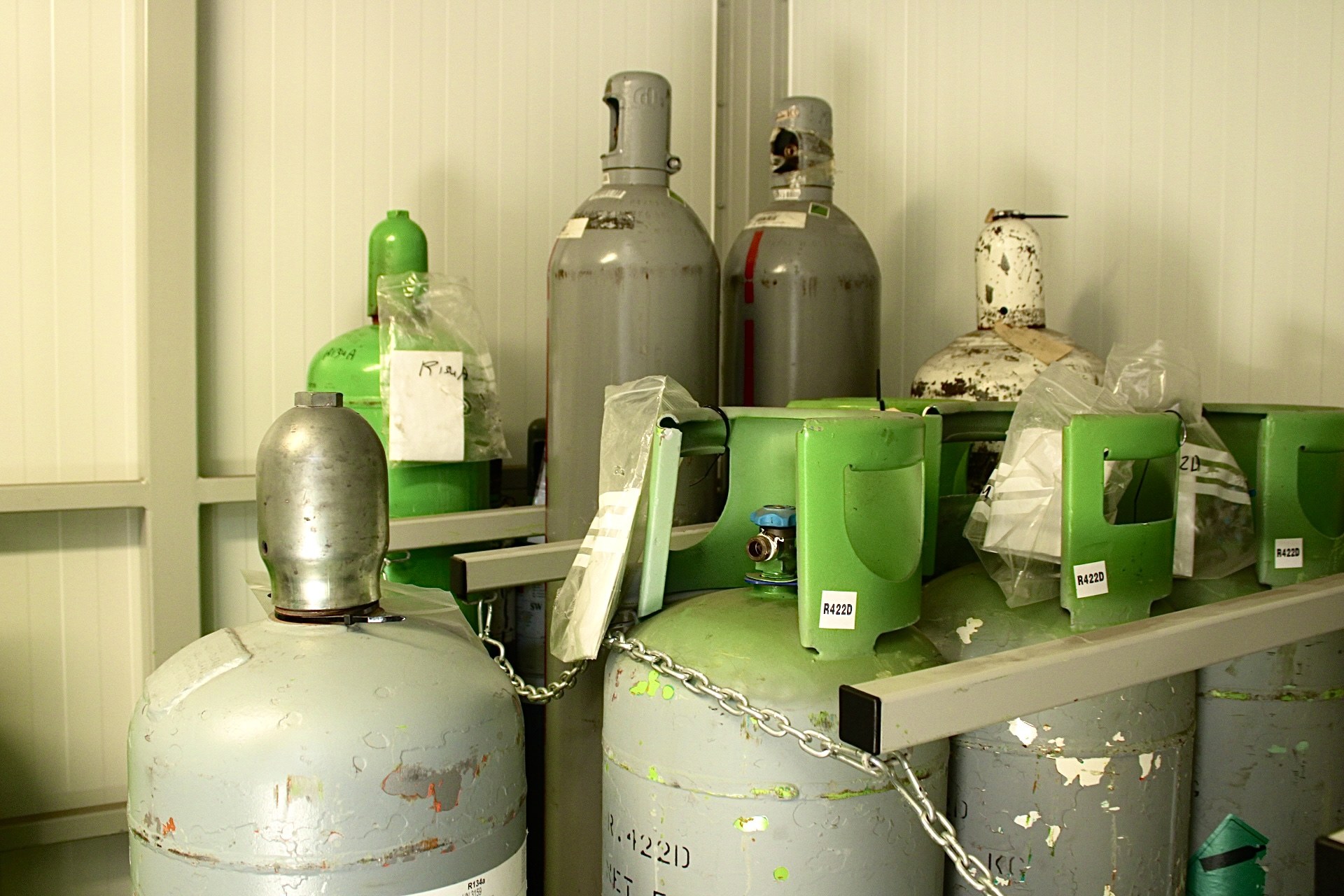
F-gases — hydrofluorocarbons, or HFCs — are synthetic gases that were the standard in refrigeration systems for decades because of their chemical stability and fire safety. The problem is their Global Warming Potential (GWP), which is many times higher than that of CO₂. GWP expresses the warming effect of a gas over a 100-year period, using CO₂ as the reference value (GWP = 1).
For example, R404A has a GWP of 3922. This means that if one kilogram escapes into the atmosphere, that kilogram of R404A has the same climate impact as 3,922 kilograms of CO₂. R134a has a GWP of 1430, which is still substantial. By comparison, R32 has a GWP of 675 and is already closer to the next phase-down threshold.
Through Regulation 2024/573, published on 7 March 2024, the EU has legally embedded the phase-out of HFCs as part of the EU Climate Law and the objective of achieving net-zero emissions by 2050. The regulation replaces 517/2014 and includes stricter bans and quota provisions that will come into force step by step over the coming years.
The phase-down under Regulation (EU) 2024/573 reduces the available quantity of HFCs on the European market by approximately 95% towards 2030, compared with the original 2015 reference level. As a result, HFCs are becoming increasingly scarce and noticeably more expensive, even where their use has not yet been explicitly prohibited.
The exact prohibition dates depend on the application and the type of installation. In general, refrigerants with a very high GWP value, such as R404A and R507, are already heavily restricted. At the same time, legislation is increasingly steering the market towards refrigerants with a low GWP value and natural alternatives such as CO₂, ammonia and propane.
Source: EU Regulation 2024/573, Official Journal of the European Union, 7 March 2024.
The regulation translates into three practical situations for maintenance managers.
For example, R404A and R507.
Topping up with newly produced refrigerant has not been permitted for years. The only legal option for maintenance is recycled refrigerant. This is allowed until 2030, but availability and pricing are uncertain.
The practical decision is whether to retrofit to R449A or R452A — drop-in replacements with a GWP of approximately 1397 and 2141 respectively — or to fully convert to NH₃ or CO₂. If you wait, you will most likely have to make that decision later under pressure and at higher cost.
For example, R134a or R407C.
Topping up is still permitted, but costs are rising annually and availability is decreasing rapidly due to quota reductions. The phase-out period is longer, but it is advisable to implement a service programme that takes replacement before 2032 into account.
Every unexpected major leak makes the business case for immediate conversion stronger.
Invest only in installations with a GWP below 150 or in systems using a natural refrigerant. R404A, R507 and R134a are no longer viable options: not technically, not financially and not legally.
There is no universal replacement refrigerant. The right choice depends on the type of installation, ambient temperature, available space and safety classification.
Lorem ipsum dolor sit amet, consectetur adipiscing elit, sed do eiusmod tempor incididunt ut labore et dolore magna aliqua. Ut enim ad minim veniam, quis nostrud exercitation ullamco laboris nisi ut aliquip ex ea commodo consequat. Duis aute irure dolor in reprehenderit in voluptate velit esse cillum dolore eu fugiat nulla pariatur.
Block quote
Ordered list
Bold text
Emphasis
Superscript
Subscript
Technical Specifications Air Handling
With newly produced R404A: no. This has been prohibited since 1 January 2020 for installations using refrigerants with a GWP above 2500. Recycled or reclaimed R404A may still be used under certain conditions for the maintenance of existing installations. This right applies until 1 January 2030. The availability of recycled material is limited and prices are rising. It is advisable to prepare a transition plan now, so that you are not forced to choose a replacement solution under time pressure in 2029.
The required frequency depends on the size of the installation, expressed in tonnes of CO₂ equivalent. From 5 tonnes of CO₂ equivalent, at least one inspection per year is required. From 50 tonnes, two inspections per year are required. From 500 tonnes, four inspections per year are required. In the Netherlands, the STEK certificate is the legally recognised qualification for personnel carrying out these inspections. All measurements and service activities must be recorded in a digital logbook. This is a legal obligation, not a recommendation.
The investment is always project-specific. Installation size, refrigerant type, structural modifications and available connections determine the total cost. A full conversion to NH₃ or CO₂ is in a different category from a drop-in retrofit to R449A. What is clear is that the EIA scheme — Energy Investment Allowance — is available through RVO for new installations using energy-efficient refrigeration technology. This can make a significant contribution to the business case. Schedule an advisory meeting to calculate the impact for your specific situation.
The phase-down of HFC refrigerants is irreversible. The regulation is in place, quotas are decreasing every year and prices for synthetic refrigerants are rising structurally. Acting now gives you room for a careful decision between retrofit, drop-in replacement or full conversion. Waiting means that this decision will later have to be made under time pressure and at higher cost.
For more than 75 years, Nijssen has supported industrial refrigeration and climate installations through transitions like these: from the first refrigerant changes after the CFC ban to the current HFC phase-out. In recent years, Nijssen has guided dozens of installations through the transition to F-gas-free systems, including food logistics cold stores that switched to CO₂ refrigeration as part of an R404A phase-out.
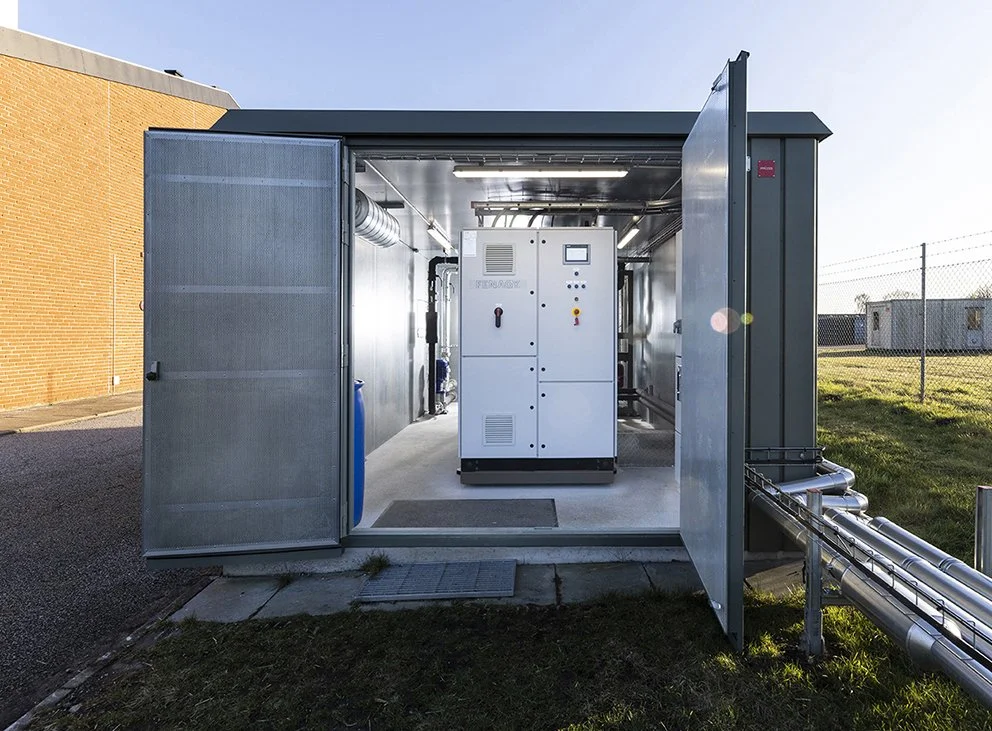

Discover when an industrial heat pump is cost-effective. Includes a decision model, grant overview, and insights into the conditions for achieving a payback period of less than five years.

Cleaning a climate chamber seems simpler than it is, until the panel coating starts blistering after a few months. The combination of high humidity, feed water, and the specific material

Discover what a climate chamber is, which climate conditions are regulated, and when terms like climate cell, test cell, or growth chamber are used.
Receive our latest technical publications and project updates directly in your inbox every month.

Lorem ipsum by sit amet, consecteur adipising elite. Suspension tincture of sagittis eros. Quisque quis euismod lorem. Etiam sodales ac felis is interdum.